
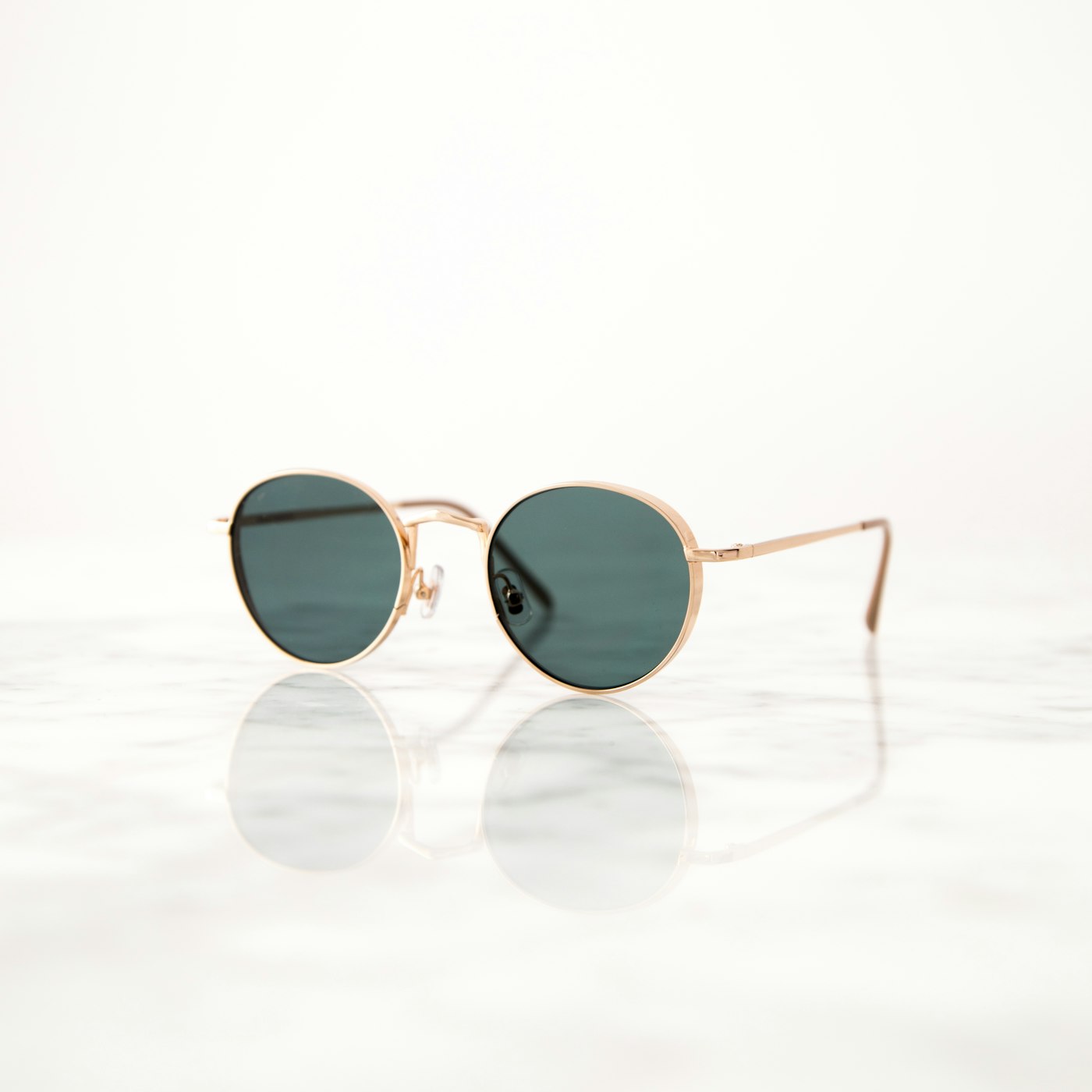
“Eco-friendly” is one of the most overused phrases in fashion, slapped on everything from tote bags to sneakers with wildly varying degrees of honesty behind it. Plant-based sunglasses are one of the rare cases where the label actually points to a real, specific material change, not just a marketing campaign built around a green color palette.
The Problem With “Eco-Friendly”
The word gets applied so loosely that it's lost most of its meaning. A product can be labeled eco-friendly because of its packaging, its shipping method, a single recycled component, or a vague sustainability pledge with no material change at all. That's what makes plant-based sunglasses worth understanding on their own terms: the sustainability claim here is about what the frame is physically made from, not an adjacent marketing decision.
What Bio-Acetate Actually Is
Most plant-based sunglasses frames are made from bio-acetate, a material built on a cellulose base derived from renewable plant sources like cotton fiber and wood pulp. Traditional acetate uses similar cellulose bases but relies on petroleum-derived plasticizers to make the material flexible and workable. Bio-acetate replaces those petroleum-based plasticizers with plant-derived alternatives, reducing the fossil fuel input in the final product.
Bio-Acetate vs. Traditional Plastic
Conventional plastic sunglasses frames are typically injection-molded from petroleum-based polymers, an efficient and cheap manufacturing process, but one entirely dependent on fossil fuel extraction. Bio-acetate is usually produced through a similar molding or milling process, meaning the manufacturing footprint is comparable, but the raw material sourcing shifts meaningfully toward renewable inputs.
Does It Compromise Durability?
This is the question that stops a lot of people from taking sustainable materials seriously, and the answer here is reassuring: quality bio-acetate performs comparably to traditional acetate in flexibility, strength, and resistance to everyday wear. The structural properties come primarily from the cellulose base, which is shared between both materials. The plasticizer swap changes the environmental footprint, not the mechanical performance.
Does It Look and Feel Different?
Well-made bio-acetate frames are visually and texturally very close to traditional acetate, including the ability to achieve rich tortoiseshell patterns, glossy finishes, and vibrant colors. Some wearers report a very slightly different hand-feel, marginally warmer or softer to the touch, but it's subtle enough that most people can't distinguish it without being told in advance.
Trying Plant-Based Frames Yourself
The best way to evaluate a plant-based frame is the same as any other: see it, and see it on you. Browse TopFoxx's Made From Plants collection and use free AI virtual try-on to see exactly how a bio-acetate frame looks against your own features, no different from evaluating any other pair.
Sustainable doesn't mean a design compromise.
Try on the Made From Plants collection instantly with AI.