
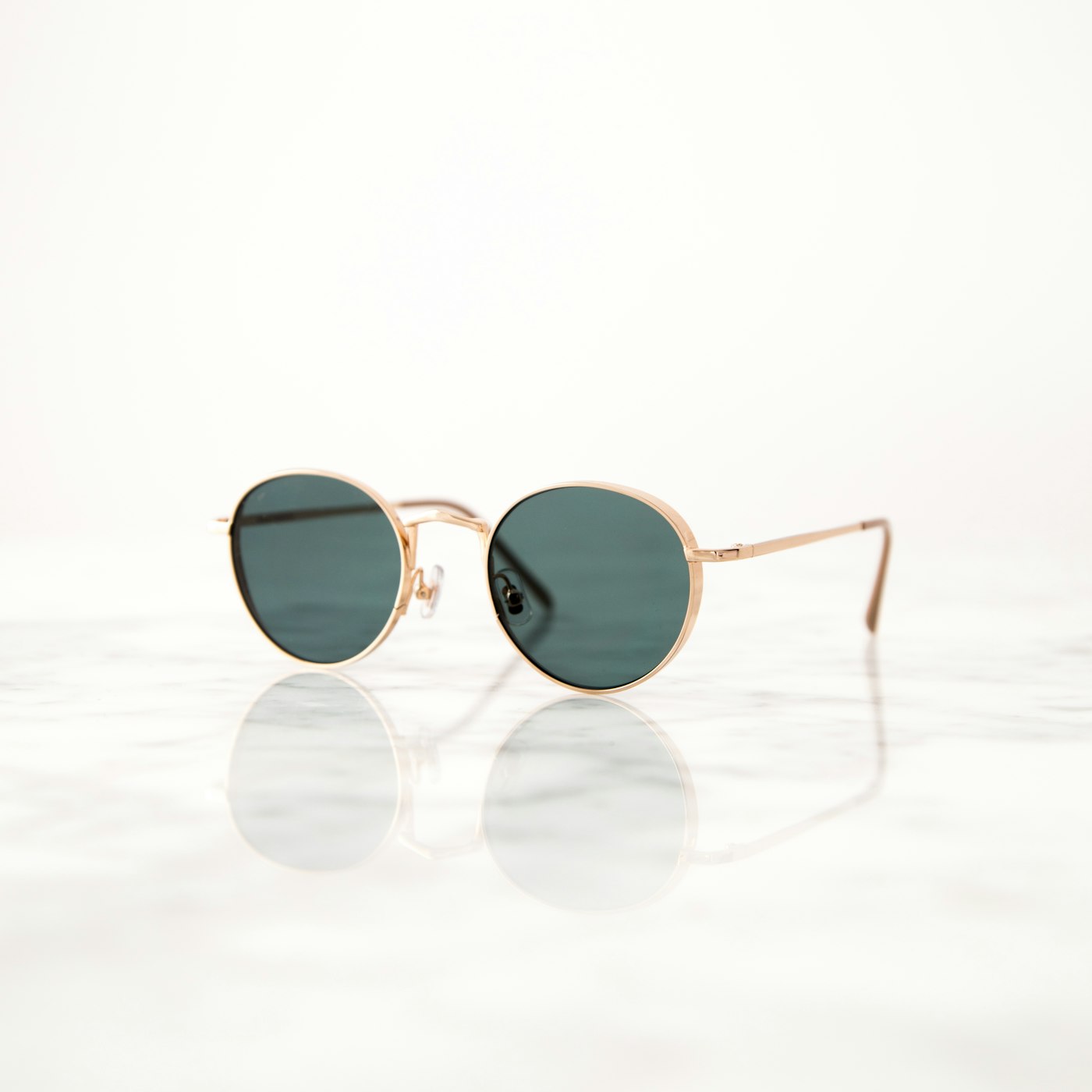
Ask most people what makes sunglasses “good,” and they'll point to how dark the lenses are. It feels intuitive: darker lens, less light, more protection. It's also wrong, and understanding why matters more than almost any other fact about buying sunglasses.
The Dark Lens Myth
Lens tint and UV protection are produced by two completely different processes. Tint is a color or coating applied for visible light reduction and comfort. UV protection is typically a separate treatment or an embedded property of the lens material itself, engineered specifically to block ultraviolet wavelengths that are invisible to the eye. A lens can be very dark and offer no UV protection at all, or nearly clear and block 100% of UV rays. The color you see tells you nothing about the invisible wavelengths being filtered.
When Dark Lenses Can Make Things Worse
This is the part that surprises people: wearing dark, non-UV-protective sunglasses can actually be worse for your eyes than wearing nothing. Your pupils naturally dilate in low light to let more light in. A dark lens tricks your eyes into thinking it's dimmer than it is, causing your pupils to widen, which lets in more light overall. If that lens isn't also blocking UV rays, you've just opened the door wider for exactly the wavelengths you were trying to avoid.
What UVA and UVB Actually Do
UVB rays are the higher-energy rays primarily responsible for sunburn and are heavily linked to surface-level eye damage. UVA rays penetrate deeper and are associated with longer-term effects on the eye's lens and retina over years of exposure. Reliable sunglasses need to address both, which is why the “UV400” label matters: it means the lens blocks essentially all light wavelengths up to 400 nanometers, which covers the full UVA and UVB spectrum.
What to Check on the Label
Before buying, look for one of these specific claims in the product description: “100% UV protection,” “UV400,” or “blocks UVA and UVB.” Vague language like “UV resistant” or no mention of UV at all is a signal to look elsewhere. Reputable eyewear brands state this clearly because it's a real, testable property of the lens, not a marketing flourish.
Frame Coverage Matters Too
UV protection isn't only about the lens material — it's also about how much of your eye area the frame actually covers. Light can enter from the sides, top, and bottom of a small or narrow frame regardless of lens quality. Oversized and wraparound styles offer meaningfully more physical coverage, which is part of why they're often recommended for extended outdoor use, like hiking, boating, or long days at the beach.
Buying With Confidence
The good news is that verifying UV protection takes seconds once you know what to look for. Every pair should clearly state its UV protection level in the product details, separate from any description of tint or style. Once you've confirmed the lens does its job, the rest of the decision, shape, color, and fit, comes down to what you actually like.
You can browse TopFoxx's UV-protective collections and try any frame on your own face instantly with free AI virtual try-on, so style and protection are never a trade-off.
Style shouldn't come at the cost of protection.
Every TopFoxx frame is built with full UV protection. Try one on instantly.